
Let's Get Real
It would be reasonable for you to be asking a few questions right now. Questions like:
- How does any of this help me be my authentic self and build strong relationships?
- And what does any of this have to do with the interactions I have with people I know, especially those I care about the most?
- How can I use all this stuff I've been learning to create better relationships with others?
The simplicity of the answer may surprise you.
You can more effectively make connections with others and have better relationships with them, even be more productive in all areas of your life, when you know and deeply understand your own motor and your own compass. And, as an added bonus, you can operate with keen insight and new perspectives about other people, too.
When you know if you are reserved and slower-paced it can help you better manage your involvement and activity when life expects you to show up in a space that is high energy with a lot of activity going on. (Notice I did not say you can avoid, ignore, or never show up in those spaces. I said you could better manage yourself. More on this in a later lesson.)
Or, if you know you lean more towards being people-oriented it can help you understand why you always want to work with other people rather than by yourself. You can have more patience for those who seem to come across as uncaring, or without feeling. You will be able to appreciate their approach to living and functioning in this world and enjoy better relationships with them!
Now the really exciting thing to realize is that the DISC Model of Human Behavior has a lot more to it than just a few descriptive words for each of the four personality styles. When you complete the full DISC assessment, the personalized report will help you learn more about your:
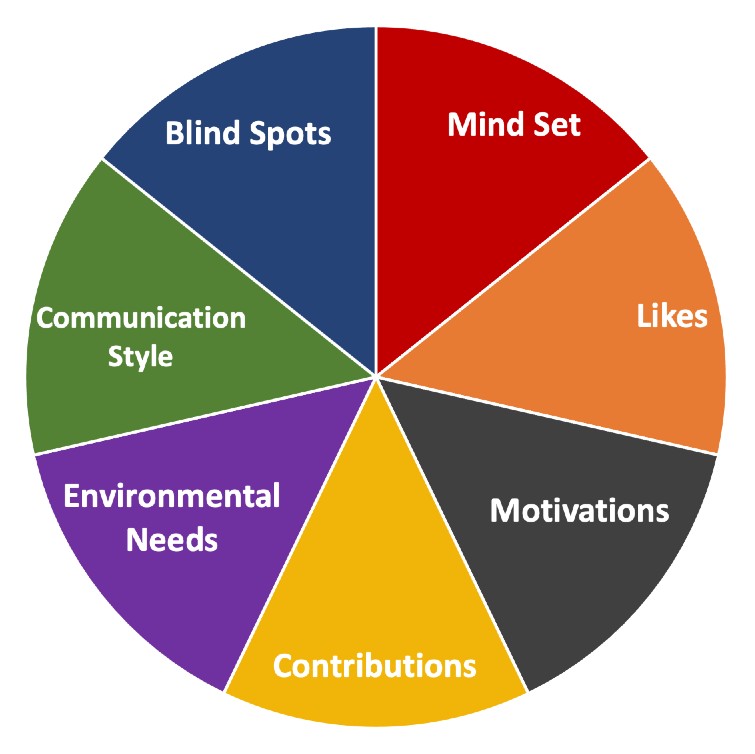
When you learn all of that about yourself, you are able to even more authentically engage with the world around. You will know more often why you do what you do. You will see the way you communicate with others in an entirely different light. You will see areas of your life that have previously been hidden to you.
Perhaps, like me as a teenager, you might see yourself as being dominant in one specific quadrant, but when you complete the full DISC assessment the results might reveal more hidden gems than you realized.
Speaking of hidden gems, I don’t want to forget that the title of this lesson was essentially promising to give you two keys to being your authentic self and building strong relationships. Actually, I think just knowing your dominant personality style and understanding what that means for your communication style, your motivations, and all the rest is a really significant key. But, I’m not even going to count that one and I’m still going to give you two more!
So, are you ready? Here's the first key: when you think of those four quadrants and see the categories of D-I-S-C, do not use them as labels for yourself, or for other people. It might be easy to say, “I’m such a D.” Or, “I see they are quiet but enjoy talking one-on-one with a few people. They must be an S.”
It is really easy to think that way, but it puts a label on people when we do. And, when we label people we box them in. We expect them to always behave like that. We forget that we are all a blend of all four quadrants. So, it can be too easy to prematurely judge them based on the label we have put on them.
Or, in other words, we become prejudiced towards them. And prejudice will always lead us astray, give us an incomplete picture, and create difficulties and trouble in the relationship we have with them. And this is all true of ourselves, too!
When we label ourselves we box ourselves in. We demand others to adjust to us. We close ourselves off to learning, growth, and better relationships. Being your authentic self comes by not labeling yourself with one of these four quadrants.
So, to be crystal clear . . .

To be your authentic self you need to not label yourself (or others) and put the second key to work.
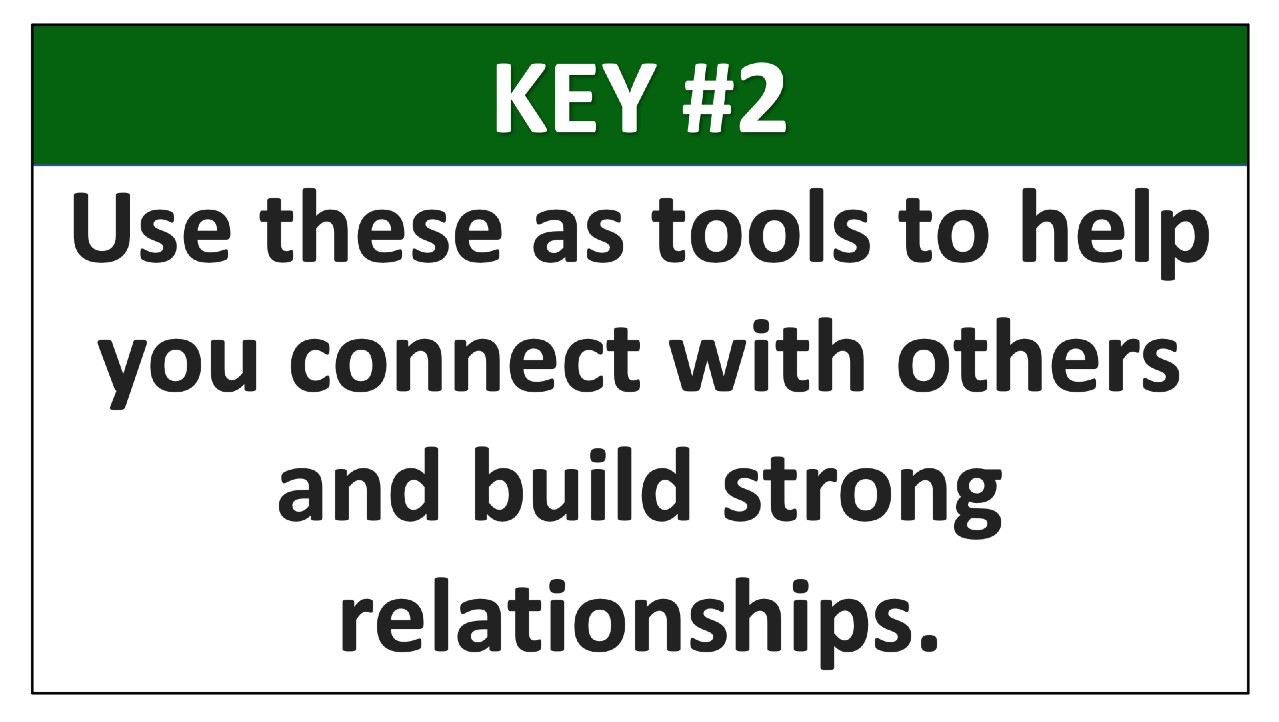
When you genuinely understand each of the four quadrants, learn how to observe others and identify their personality from clues and cues they offer you, then you will be able to adjust your own style to meet them where they are at.
It is at that point you will be truly able to authentically connect with others, enjoy amazingly satisfying interactions with them, and develop strong relationships that can improve your life by reducing stress and enhancing enjoyment. You will know whether it is more effective to show up with a lot of energy or come in more reserved. You can learn how to adjust to being more people-oriented and not always insist on focusing on tasks and getting things done.
I am not talking about being manipulative, or deceptive, or not being your authentic self. Actually, it's just the opposite. When you understand your personality more fully, you have the confidence in yourself, your own identity, and your strengths and abilities so you are more capable of adjusting to meet people where they are at and create connections more quickly, more meaningfully, and more enjoyably.
The Quiz
This quiz is a little different and has two questions for you. It might take you as long as 7 minutes.
- You're going to be asked to think of the four quadrants: D-I-S-C.
- Then, the first question will ask you to think about the descriptive words you gave in your answer for the last quiz you completed and to consider the details you've learned about in this lesson.
- Then, you'll answer the question: Which quadrant do you think best describes your personality?
- To finish up, you'll be asked: What experiences, or examples, from your life in the past 3 days would provide evidence for that?
So, complete the quiz for this lesson, answering these two questions and then you'll be ready to move on to the next lesson.
Next Up
In the next lesson we get to fully focus on the actions and reactions of other people, as well as your interactions with them.. This will give you new perspectives on how you can more effectively connect with them, meet their needs, and enjoy more effective relationships with them.